Come away, O human child! To the waters and the wild With a faery, hand in hand, For the world’s more full of weeping than you can understand
William Butler Yeats, ‘The Stolen Child’
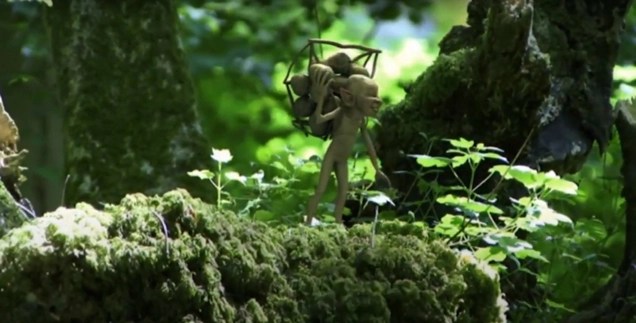
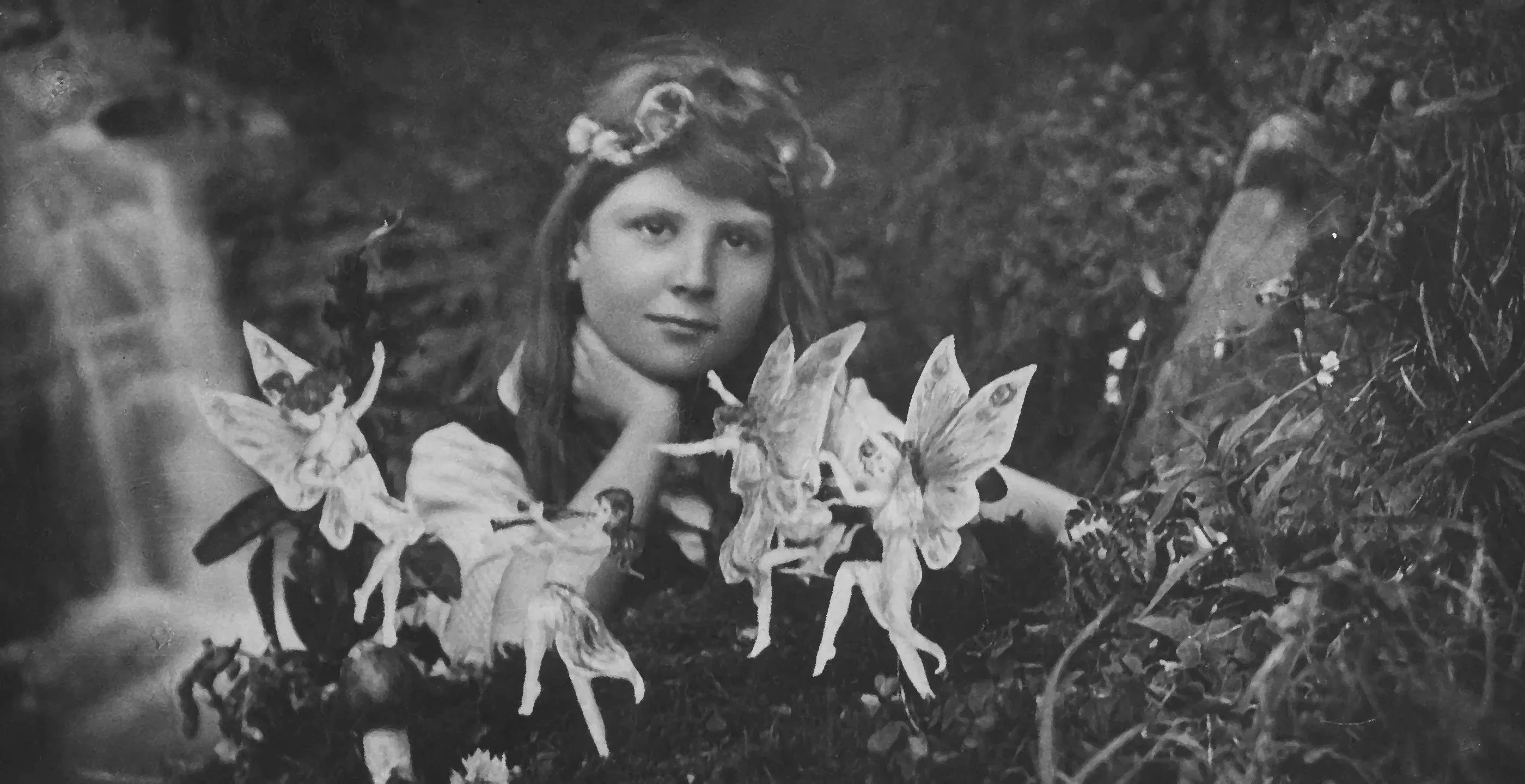
I often drive past Cottingley, the birth place of the Cottingley fairies. The story of these magical creatures enthralled me as a child – two little girls hoodwinked the great Sir Arthur Conan Doyle with cut-out pictures suspended on hairpins! The beautiful photographs shone ethereally from the pages of my 1970s book of mysteries from Marks and Spencer. I was definitely a believer and spent many happy days at the bottom of our garden looking into the woods beyond, hoping to spot the flutter of tiny wings.
Magical creatures have always fascinated me and I have collected favourite stories, poems and films over the years that have enthralled children of all ages. Here is my treasure chest of texts and stimulus below…
Picture books…
- The Night Gardener, Terry and Eric Fan: mysterious transformations, imagined explanations, descriptive writing and creating your own magical visitor.
- The Fairy Tales of the Brothers Grimm: particularly useful for exploring how magical beings behave very differently from the sanitised modern fairy.
- Peter Pan, J. M. Barrie: Tinker Bell provides a brilliant opportunity to discuss whether magical characters are always “good”.
- The Flower Fairies, Cicely Mary Barker: gorgeous stimulus for poetry, nature writing and creating a class collection of newly discovered species.
- The Fairies, William Allingham: wonderful for presenting fairies as strange, unsettling creatures rather than sparkly wish-granters.
KS2 texts with real writing possibilities
- A Midsummer Night’s Dream, William Shakespeare: Oberon, Titania, Puck and the havoc caused when the fairy world collides with the human one. Puck alone can generate character descriptions, monologues and mischievous narratives.
- The Spiderwick Chronicles, Tony DiTerlizzi and Holly Black: perhaps one of the best models for your theme. Children could create their own field guide to magical creatures, complete with sketches, habitat, behaviour, warnings and eyewitness accounts.
- Artemis Fowl, Eoin Colfer: turns traditional fairy lore into something modern, technological and subversive. Great for older KS2.
- The BFG, Roald Dahl: not technically fairy folk, but brilliant for invented creatures, invented vocabulary and world-building.
- The Lion, the Witch and the Wardrobe, C. S. Lewis: fauns, witches, dwarfs and other folkloric creatures within a completely realised magical world.
- Harry Potter and the Philosopher’s Stone, J. K. Rowling: particularly Diagon Alley and the discovery that another world has been hiding alongside ours.
- The Book of Mythical Beasts and Magical Creatures, DK: useful as a reference-text companion when pupils start inventing their own creatures.
Poetry could be particularly powerful
There is a lovely historical connection here. Historic UK points out that Rose Fyleman’s poem “There Are Fairies at the Bottom of Our Garden” was first published in 1917, the very same year as the first Cottingley photographs. historic-uk.com
I’d pair that with:
- The Fairies, William Allingham
- Goblin Market, Christina Rossetti, carefully selected extracts for KS2
- Shakespeare’s fairy speeches from A Midsummer Night’s Dream
- The Stolen Child, W. B. Yeats, for sophisticated Year 5/6 work
- traditional riddles and folklore descriptions of brownies, boggarts, goblins and changelings
The contrast is interesting: sometimes magical folk are delightful; sometimes mischievous; sometimes genuinely threatening. That gives children far more to write about than the conventional “pretty fairy”.
Film and animation
A few clips rather than whole films could provide superb stimuli:
- Arthur Christmas / Rise of the Guardians: imagined hidden worlds operating alongside ours.
- The Spiderwick Chronicles: discovering creatures that other people cannot see.
- Labyrinth: goblins and strange magical worlds, especially useful for setting and character.
- The BFG: scale, setting and invented language.
- Peter Pan: Tinker Bell and Neverland.
- Harry Potter: entering Diagon Alley for the first time.
- Song of the Sea: a beautiful route into Irish selkie folklore.
Then turn the magic into writing
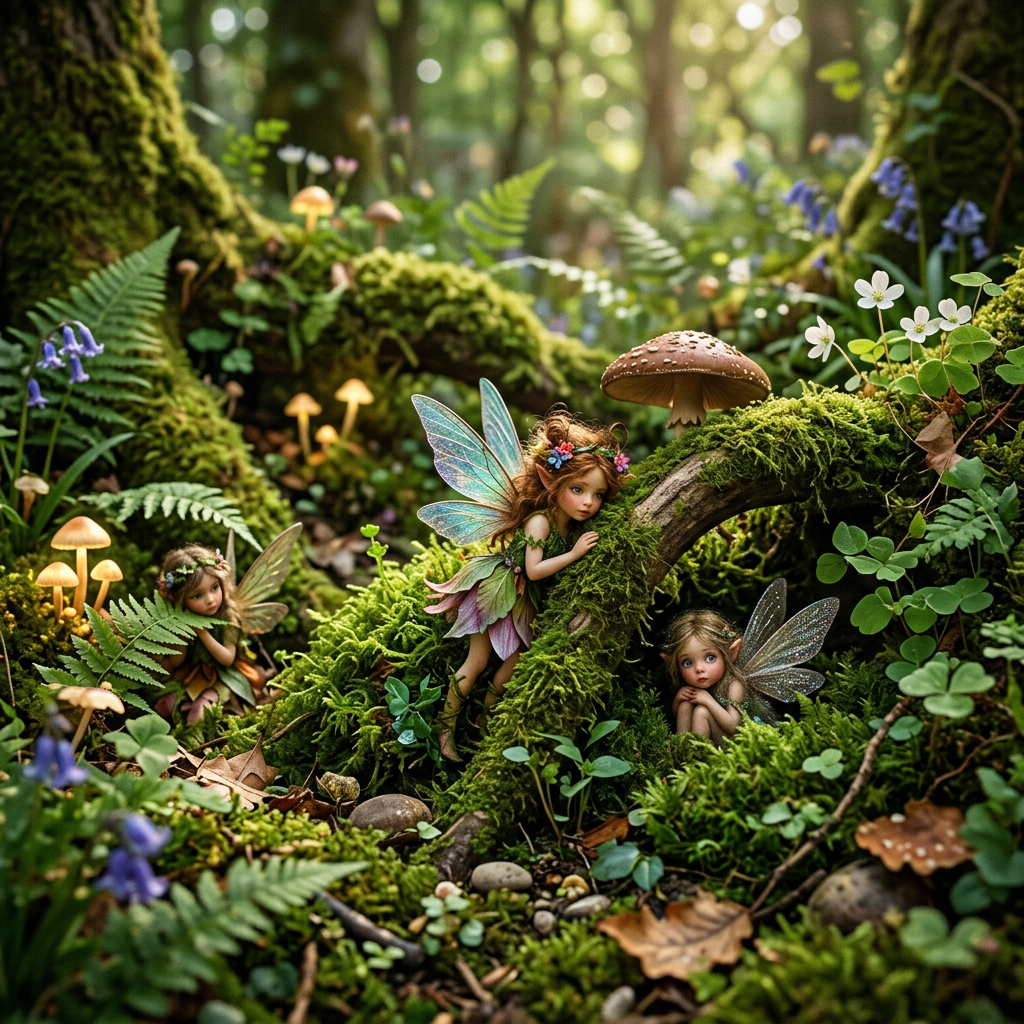
A fairy has been photographed on the school grounds.
Children examine the evidence and write newspaper reports.
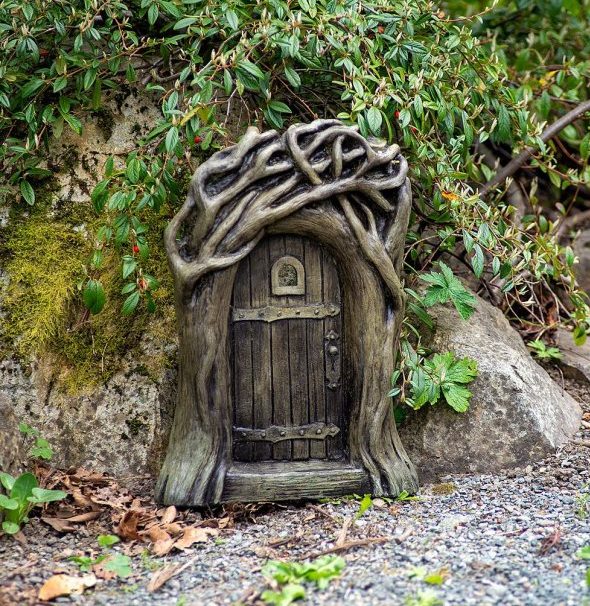
Something tiny has built a doorway into the bottom of a tree.
Who lives there? Write the opening to the story.
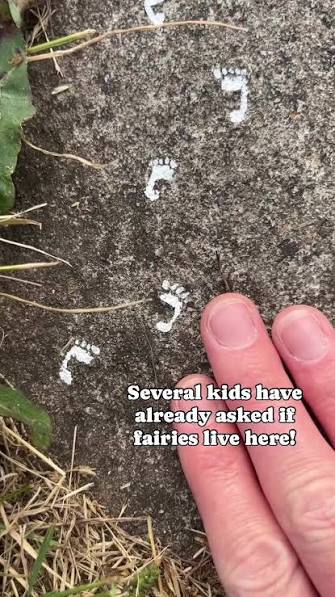
The caretaker discovers unusual footprints on Monday morning.
Write the incident report, witness statements and subsequent investigation.
Create a magical-creature field guide.
West Leeds Pixie: Habitat, appearance, diet, temperament, signs of its presence, what to do if encountered.
Write to an expert.
Send your photograph and eyewitness testimony to a fictional “Society for the Investigation of Magical Creatures”.
Create competing accounts.
One child believes the creature exists; another thinks there is an entirely rational explanation.
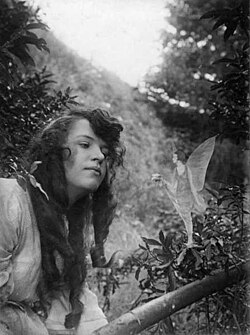
And I think this is where the Cottingley story becomes especially powerful. The girls produced photographs using cardboard cut-outs, and the story eventually attracted the attention of Sir Arthur Conan Doyle. Suddenly you’ve got reading, narrative, newspaper writing, argument, historical enquiry and media literacy all springing from one compelling question: Would you have believed them? cottingleyhistory.uk
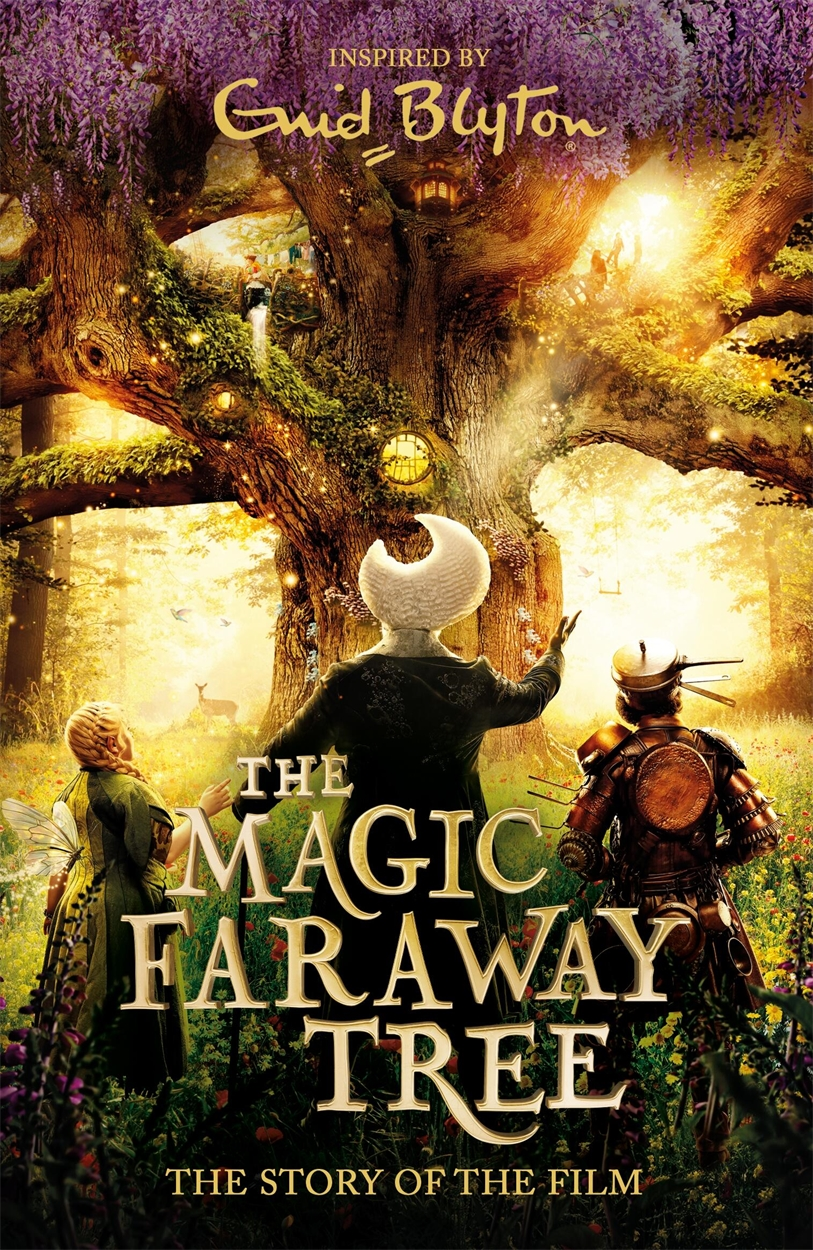
The arrival of the new ‘The Magic Faraway Tree’ film also gives us another wonderful doorway into children’s writing. Based on Enid Blyton’s Faraway Tree stories, the film brings Moonface, Silky, Saucepan Man and a succession of fantastical lands to a new generation. Imagine the writing possibilities: What new land has arrived at the top of the tree today? Who lives there? What are its strange rules? And, most importantly, what happens if you don’t leave before the land moves on? Sometimes the best writing stimulus is simply an irresistible idea.